

A unique opportunity, when engineers integrated into the classroom culture, is that they can start early conversations about how, and why, engineering is a regulated profession.
Depending on the age/grade level kids have some understanding of some professions….for instance, they know that doctors can be trusted and are accountable for their safety and well being.
However, it’s not a concept they necessarily connect to the engineering profession.
Engineering is a stealth profession.
The idea that engineers have an ethical responsibility to ensure their designs and solutions are safe and in the best interest of the public is not super obvious.

“The licensure process ensures licence holders’ engineering practices are technically competent, based on sound professional ethics and adhere to standards of practice that are the hallmark of professional engineering.
Those who become licensed indicate that they are committed to safeguarding the public while adhering to a Code of Ethics; that they’re committed to engineering excellence; that they have the right skills, education and attitude; and that they’re a responsible professional with proven problem solving abilities.”(source)
This all begs the question….how do you talk to KIDS about engineering regulation?
It can be done!
EIR volunteer, Jessica Levy was up for the challenge!
As a first-time EIR volunteer last year, Jessica was already faced with the challenge of creating an engineering experience for students amongst a global pandemic! On top of that, Jessica was assigned a Kindergarten class!

How’d she do it?
She used a powerful EIR strategy to connect with them as a human-first! (more about that HERE)
Once she had a captive, virtual audience she took advantage of something that was RELEVANT to them (another EIR strategy in action!).
She knew the class had recently read a book about animals hibernating in the winter.
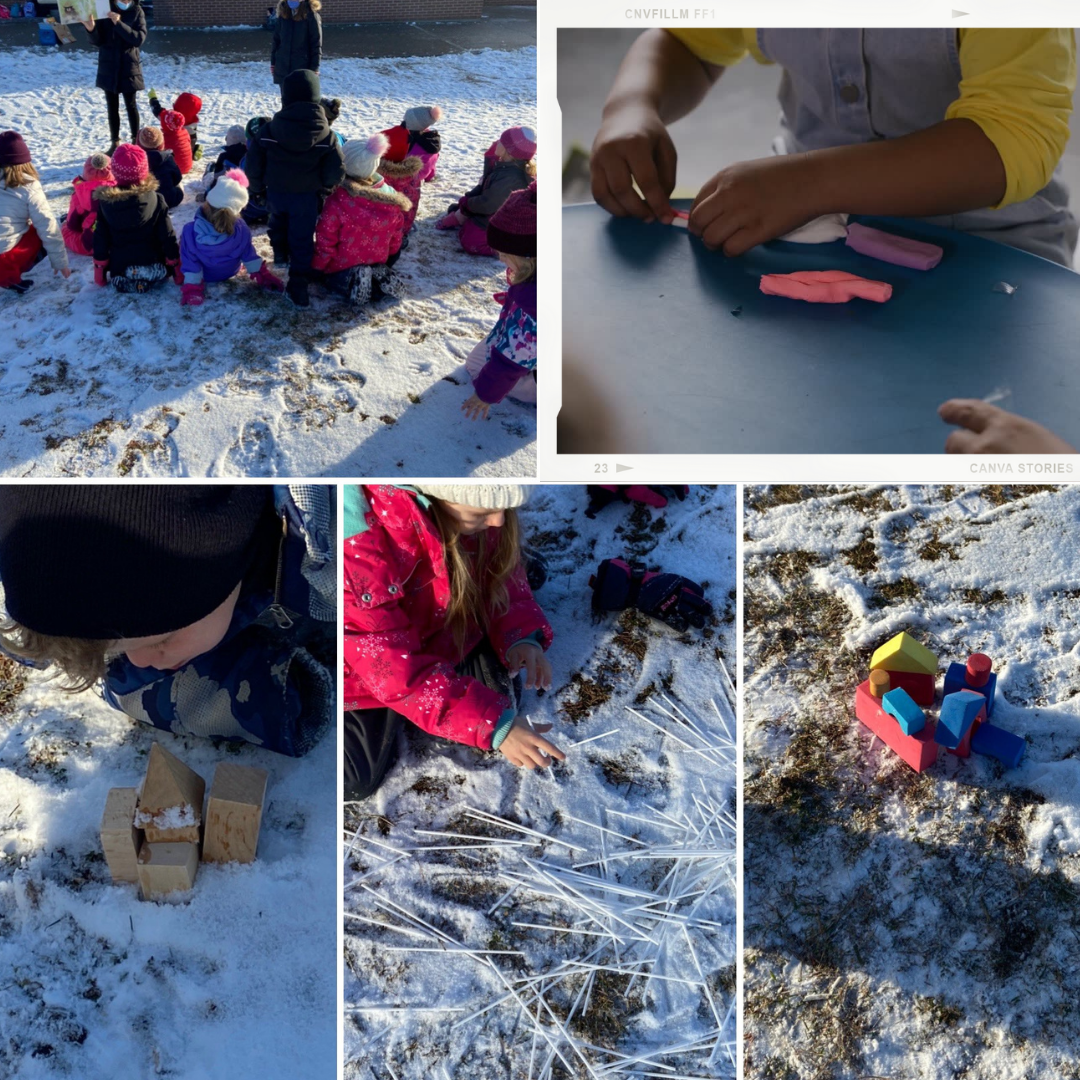
Using some creativity and imagination, Jessica came up with the idea to have students design “best” winter habitat. Students had to think about
- what animal they were designing a habitat for
- what materials are available
- the harsh climate…
Human-centred design in action!
Where did the idea of regulation come into play?
As the resident licensed engineer, Jessica had the students get a “stamp of approval” for their designs.
Remember, this was a group of 5 year olds. They can grasp the concept of someone with the proper training and experience being responsible to check their designs for anything that might pose a risk.
Brilliant!
And then the fun began. Once students had their design approved, they got to build their models (we love a hands-on component!).


0 Comments